
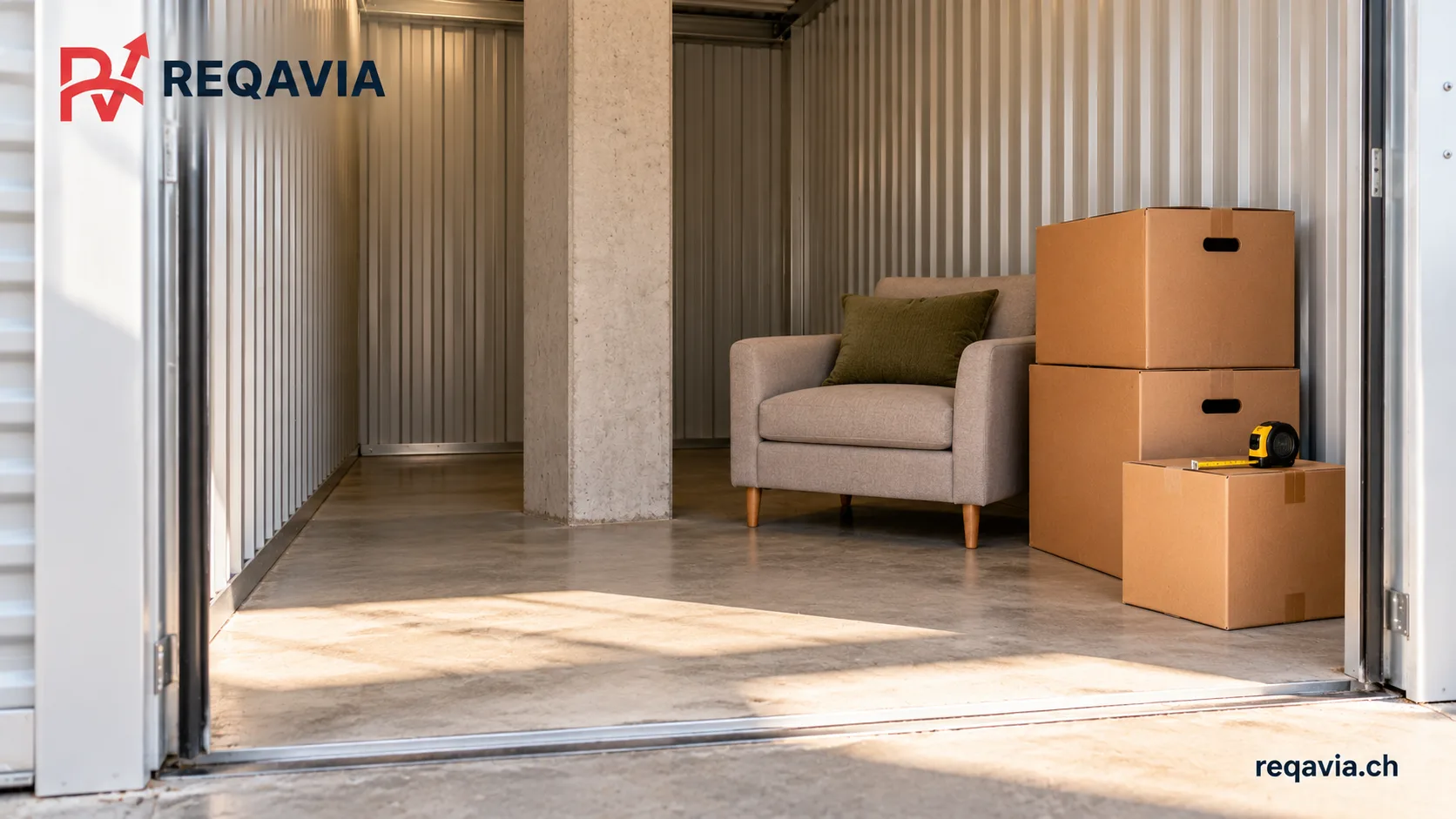
If one storage offer uses square metres and another uses cubic metres, do not compare the numbers as though they describe the same thing. Square metres describe an area; cubic metres describe a volume. Neither figure alone confirms that your furniture will fit or remain accessible. Ask each company what it measured, what arrangement it assumed and which specific space or storage service the estimate covers.
Start with the goods, not a conversion rule
List the furniture, cartons and loose items you plan to store. Measure the longest, widest and tallest awkward pieces, including their intended packaging. State which furniture can be dismantled, which must stay assembled and which objects need a particular orientation. Distinguish measured dimensions from estimates so the company can see where uncertainty remains.
Record how often you expect to retrieve things. A unit packed for one final collection is a different planning problem from one where you need to reach a particular box each month. Identify those regularly needed items. The aim is a usable arrangement, not simply the smallest numerical space estimate.
Establish what the offer actually provides
Ask whether you are renting a particular unit or paying for goods placed in a store managed by the company. For a dedicated unit, request internal length, width and usable height, door dimensions and any columns, slopes or recesses. Check whether the dimensions describe the whole room or the clear space available for your goods.
For managed storage, ask how the load is defined and measured, whether separate components count differently, and how retrieval works. Who decides placement, and what happens if you need just one item? Do not assume that a volume-based quote includes unrestricted access, individual shelving or a particular packing service. Have the actual included tasks described.
Test the layout rather than compressing everything
Draw a simple arrangement using the large pieces first. Leave the access needed for your planned visits and ask the company to assess uncertain points. Confirm which height can actually be used and what stacking is acceptable for these objects. Space above a fragile item is not automatically available for more cartons.
Also consider the route to the unit: vehicle approach, lift, turns and door openings. A room can have sufficient total area while its entrance still prevents a large item from passing. Ask for a site assessment where dimensions, weight, handling or an unusual item make a written estimate unreliable. Do not solve uncertainty by promising to tilt, dismantle or stack something without checking suitability.
Agree what happens if the estimate changes
Ask how the company confirms the proposed capacity and how a revised offer would be approved. What alternatives exist if the actual load does not fit? Is a larger unit subject to availability? Keep the inventory and dimensions used for the offer, then record any later additions or packing changes. This makes a revised estimate easier to discuss against a defined difference.
Compare offers over your likely storage period, including access arrangements, minimum term, included handling, stated additional charges and exit procedure. Request a written explanation of uncertain costs rather than importing an advertised example into your own situation. A cheaper headline figure does not establish whether the same service is included.
Ask for a specific answer
Your text request can say: “Please assess this inventory and explain whether your estimate is floor area, usable volume or a managed load. I will need access to these items during storage.” Add location, duration and difficult dimensions. Through REQAVIA you can request storage; the company directly agrees the space, service, price and contract with you.