
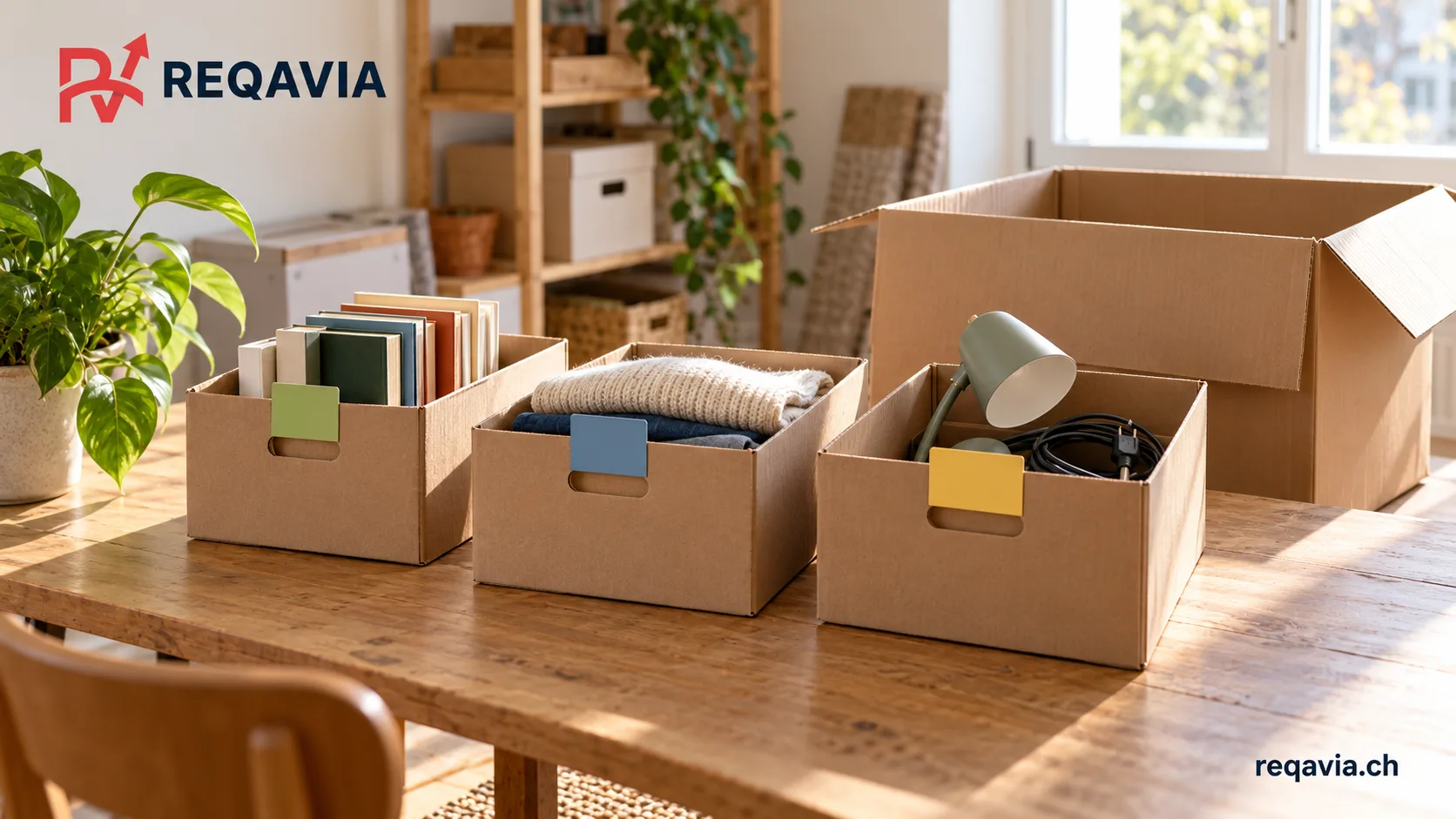
Before one person retrieves belongings from a shared storage box, agree which items are theirs and what may leave. A list that names only the box cannot explain a partial withdrawal. Add a simple contents list organised by person or agreed group, and choose one way to update it. Sharing space can work well when everyone can see what was taken and what remains.
Clarify the contents before the first collection
Ask each person to identify their belongings as far as possible. Record uncertain pieces separately instead of assigning them by guesswork. Do not use the name on the storage invoice as a shortcut for deciding who owns everything inside. If people disagree, leave that item out of the withdrawal until those involved have resolved its destination.
Keep decisions about the contents separate from access to the facility. Ask the operator which people may enter or collect and how authorisation is recorded. An agreement among relatives does not explain the operator's procedure, and a person allowed through the door still needs clear instructions about the goods to remove. Confirm both parts before arranging a visit.
Give each group a recognisable reference
Create a sub-list under the existing box identifier. Use initials or neutral codes understood by those involved, with enough description to recognise the objects. Keep sensitive detail in the private version. A company handling the outer box generally needs instructions and destination, not a list of personal paperwork or private family matters.
Where suitable for the contents, use separate inner containers or bundles to keep each group together. Do not solve ownership confusion by packing a delicate item badly or separating it from its accessories. If repacking needs specialist handling, ask for that assessment. Record any new container identifiers without losing the link to the original shared box.
Agree one withdrawal procedure
Decide who opens the box, who may approve removal and who updates the record. For each withdrawal, note the date, item or group, recipient and what remains. A short shared message or current list can be enough. Several old photographs in different chats are less useful when nobody knows which one reflects the latest contents.
If a helper or company collects on someone's behalf, give a defined list and an agreed contact for questions. Do not describe the instruction merely as “take my things” when the collector cannot recognise them. If the requested group cannot be identified with confidence, pause that part of the collection instead of sending the whole box to one person.
Decide whether one box still makes sense
Consider separate boxes when people visit at different times, need different access arrangements or frequently retrieve only their own items. Compare the resulting space and handling needs with the effort of repeatedly opening a shared container. Ask the operator about any relevant container or retrieval conditions rather than assuming separation is always easier or cheaper.
Keep the system proportionate. A few clearly grouped everyday items do not require a separate record for every small component. What matters is whether another authorised person can follow the instructions and return an accurate update. Revisit the arrangement after the first withdrawal and correct whatever caused confusion while the details are fresh.
Describe the actual ready-to-collect goods
Before requesting service, count the containers that now exist, confirm their destinations and update the shared inventory. State which items remain unresolved and excluded. If images help identify a piece, exchange only the relevant views directly and privately with the company.
In a REQAVIA storage request, explain the shared contents, planned partial collection and need for separate handovers. Ask what arrangement the company can provide. REQAVIA acts as an intermediary; access, handling, prices and the agreement are settled directly with the company.