
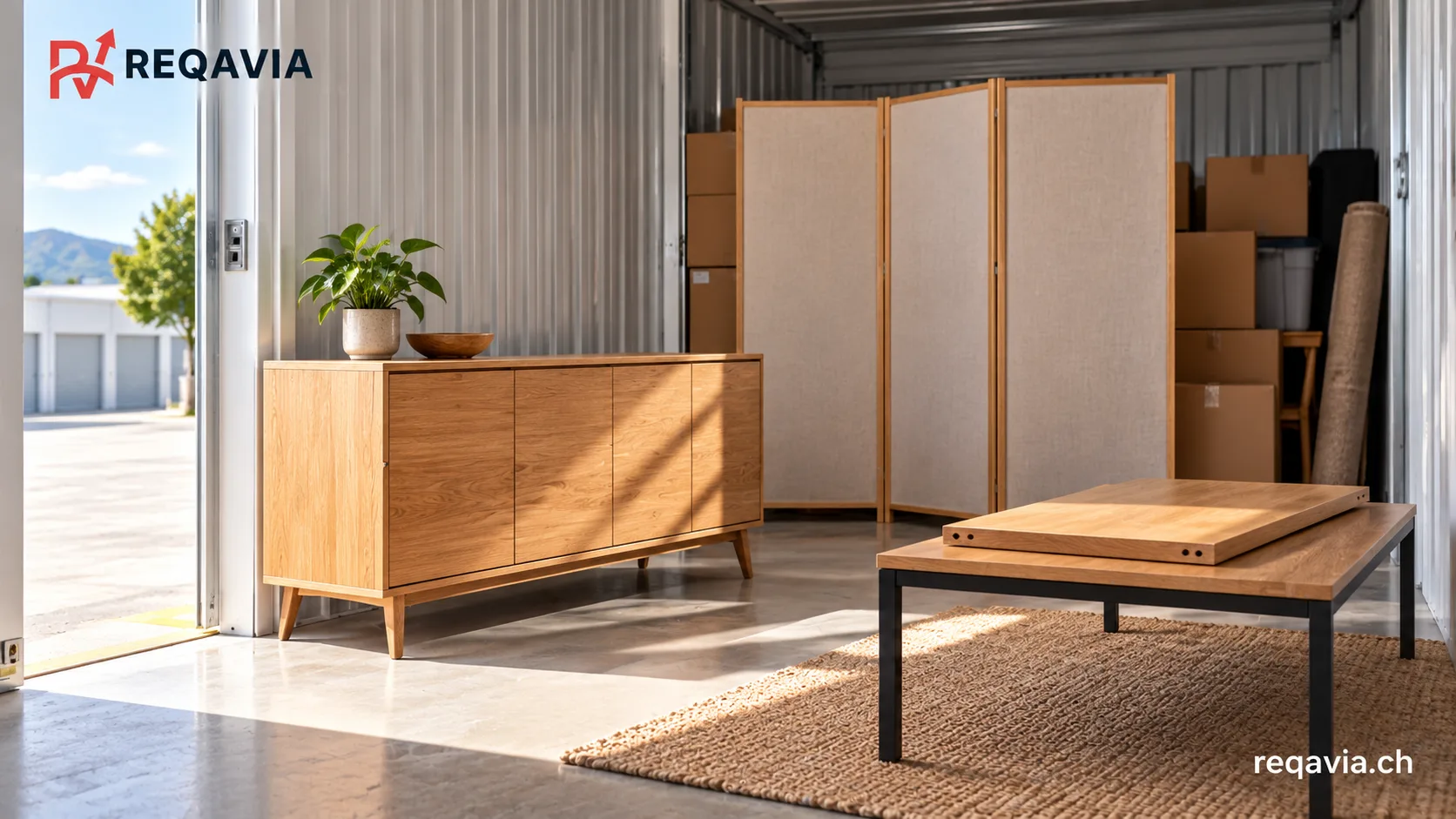
If every enquiry about stored furniture creates another trip to the unit, organise the viewing process before offering more appointments. Check what the storage company permits, make the listing precise and agree whether the visit is only for inspection or also for collection. A buyer’s availability is only one part of the arrangement: the item, access and people responsible also need to be ready.
Check permission for this particular arrangement
Tell the storage company that you want prospective buyers to view your belongings. Ask whether accompanied visits are permitted, how appointments work, where a visitor may go and whether loading needs a separate booking. Storage space does not itself confirm permission for a selling activity or access by outsiders. Read your actual agreement and get any unclear point confirmed before sending an invitation.
Find out who must be present and what staff assistance, if any, can be arranged. Do not assume an employee will show the piece, supervise a buyer or release it in your absence. If viewing there is unsuitable, decide on another permitted location before advertising appointments. Check any transfer needed to make that alternative workable.
Give buyers enough information to decide on a visit
Prepare one record per item: inventory identifier, dimensions, known condition, included parts and whether it is assembled. Describe scratches, missing fittings and anything you have not checked. Use photographs that show the relevant details without exposing the rest of your storage. A beautiful overall image cannot answer whether a door, shelf or set of legs is included.
Describe the confirmed collection route, including floor, lift and any access limits. Give the buyer the furniture’s actual dimensions rather than promising it will fit through every doorway. Ask them to check their own destination route. If handling or dismantling is uncertain, arrange an appropriate assessment before treating collection as ready.
Offer appointments you can actually manage
Use a small number of available time windows instead of accepting scattered requests throughout the week. Confirm the item, the visitor and whether the appointment includes collection. Leave enough separation between appointments to avoid unrelated visitors waiting inside the unit. Ask for a message if plans change, and keep a contact route available on the day.
Beforehand, make the agreed viewing area accessible without rearranging heavy stacks at the last minute. Keep personal boxes and documents outside the view where possible. Explain which item may be inspected and photographed. Stay with the visitor; do not share access codes or keys for an unsupervised visit, or promise entry to a unit you are not authorised to open.
Separate looking, agreeing and taking the item away
Decide who will dismantle, carry and load the furniture if the sale is agreed. A vehicle arriving does not settle those tasks. Confirm the agreed parts and any collection arrangements with the buyer, and tell the storage company about the required loading access. If a new defect or missing component comes to light, disclose it before handover and check whether the arrangement still stands.
Keep the other belongings separate from the outgoing set. At collection, match the item and its accessory bags to the record, then mark them as removed. Record what remains, including pieces still awaiting a buyer. This avoids sending a later collection team to retrieve something that has already left.
Make the storage request reflect the viewing plan
For items that remain unsold, set a date to reconsider the arrangement rather than leaving a stream of visits open indefinitely. A REQAVIA storage request can describe the items, expected visit frequency, access already confirmed and assistance still needed. The form uses text; share useful photographs directly and privately with the company afterwards. REQAVIA is an intermediary. Agree permitted visits, the scope of assistance, prices and execution directly with the company.