
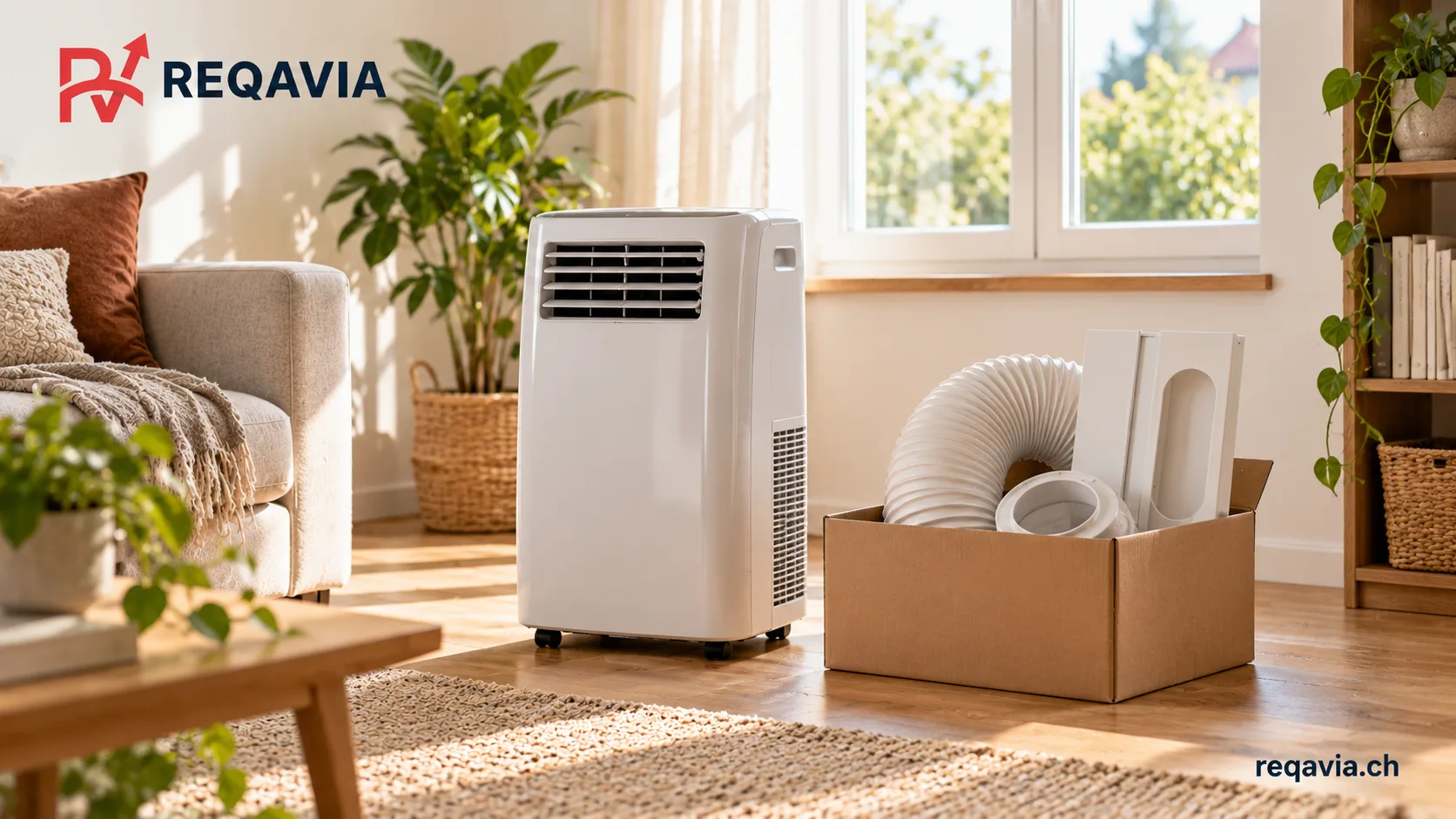
Before moving a portable air conditioner, find its model information and your own instructions, then inventory the complete set. Wheels may help you reposition it in a room, but they do not define a vehicle transport plan. Agree who prepares the unit, who removes its accessories and what needs checking before it is used in the new home.
Decide when the unit can stop being used
If it must remain in use until the last day, tell the moving company early. Preparation should have a place in the timetable, rather than being squeezed between arrival and loading. Identify the steps your model requires and who is competent to perform them. Do not substitute a general refrigerator or fan moving tip for the applicable instructions.
Record known leaks, damaged parts or other faults before arranging collection. Ask an appropriate specialist to assess unresolved concerns and explain the resulting preparation needs to the mover. Transport does not automatically include repair. Where a technical question remains unanswered, arrange another preparation time instead of dismantling parts by guesswork on moving morning.
Make the accessory list visible
List the exhaust hose, adapters, remote control, window kit and any additional components actually belonging to your unit. Give the appliance and its accessory container the same neutral identifier. Photograph the existing arrangement for your own reference without capturing unrelated personal information. Check each item off when it is packed, not simply when you remember owning it.
Distinguish removable appliance parts from fittings attached to the property. Clarify what you are permitted to remove and what will remain by agreement. Do not leave a window component behind without a decision, or put unidentified fittings into a general tools box. Keep small parts and the instructions easy to locate at the destination.
Check the new room before promising immediate use
Compare the new window type and available space with the requirements for your model. Check the intended power and air-exhaust arrangement using the applicable instructions. The presence of a socket and a window is not a complete setup plan. Ask the person responsible for the property about any permission needed for particular fittings.
If compatible parts are required, verify the exact model and dimensions before ordering. Do not assume the previous window kit will suit a differently shaped opening. Have a suitably qualified person assess proposals involving fixed alterations, technical modifications or anything beyond the normal user setup described for the appliance.
Give the mover the actual route
State the unit’s dimensions and documented weight if available, together with the floor level, thresholds, steps and distance to the vehicle. Explain what will already be detached and packed. Ask the company to specify suitable protection and handling for the prepared unit and route. Do not describe it only as a small appliance on wheels.
Confirm where the unit and its accessories should be placed on arrival. They need a known location where you can check the set without searching behind furniture. Review packaging, visible condition and the inventory before setup. If something appears wrong, record it and seek appropriate advice before attempting a modification or improvised repair.
Agree the service you actually need
Restart the appliance only after completing the preparation and setup required by its instructions; do not use an immediate test as the only arrival check. In a REQAVIA moving request, give the model, accessory list, access details and the preparation you will undertake. Mention late use at the old address. REQAVIA is an intermediary; packing, transport scope, price and execution are agreed directly with the company.