
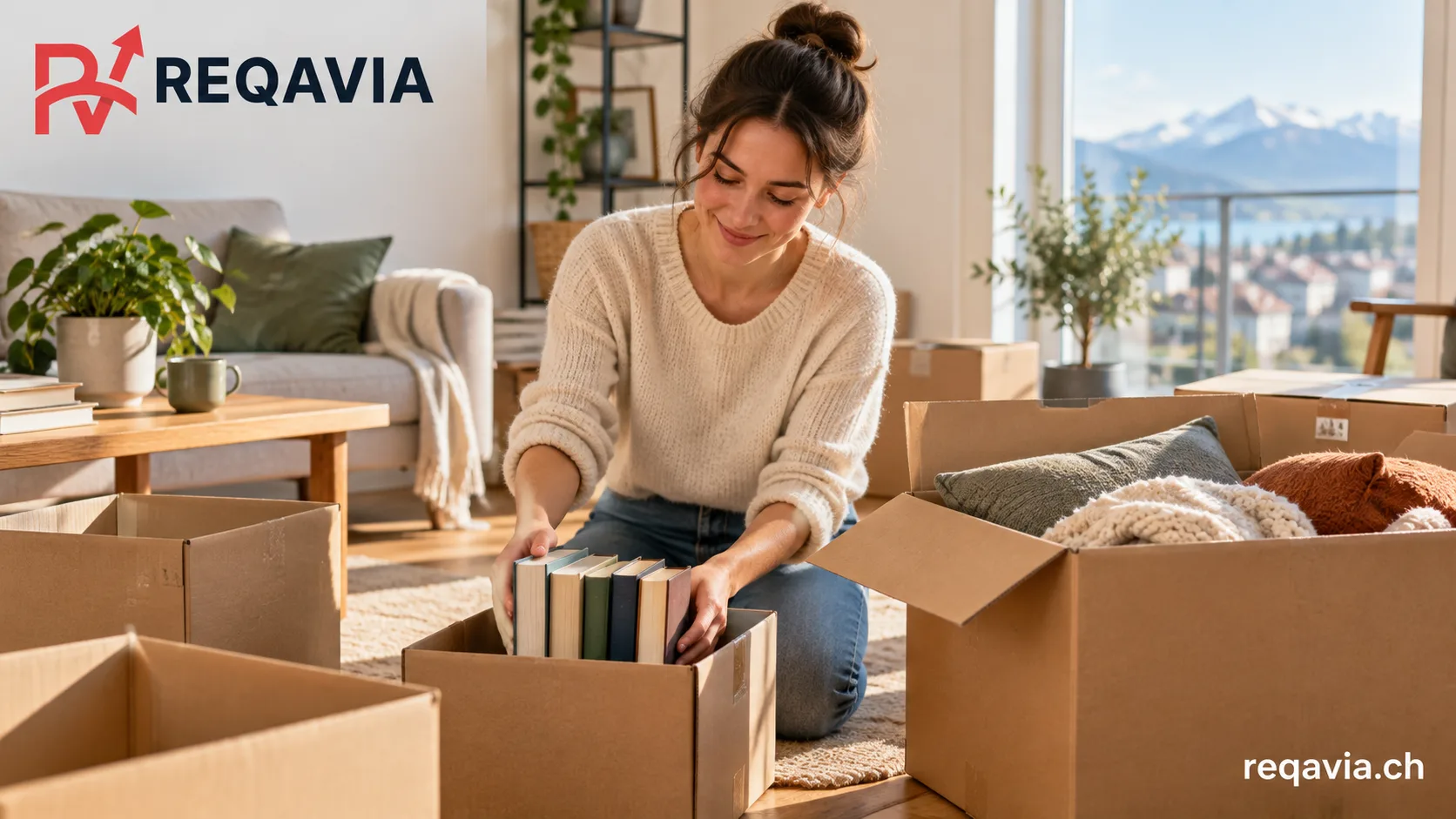
There is no single box count that suits every two-room apartment. A large book collection needs different sizes and distribution from a home full of clothes and bedding. Instead of converting floor area into a fixed number, use a real sample of your belongings and update the estimate as you sort. This helps you buy suitable packaging without encouraging oversized or overloaded boxes.
Try a sample before buying the full quantity
- Choose a shelf or a few drawers representing books, kitchen items, clothes and light bulky belongings.
- Pack the sample with the protection it actually needs. Measure the packed space rather than the unwrapped items alone.
- Estimate how many similar groups remain and allow a modest margin for small belongings missed on the first walk-through.
- Ask the company about suitable box specifications and any option to return unused materials before buying a large quantity.
Do not put books or heavy tools into the biggest available box simply because there is space. Filling it is not the goal. Follow packaging instructions and consider safe handling, leaving assessment of heavy loads and suitable equipment to the professional. If a box is difficult to control or its base bends, redistribute the contents before moving it. Suva emphasises reducing physical strain and using appropriate aids.
Is the problem too few boxes or poor distribution?
You may think you need more packaging when sorting the contents more effectively would help. Decide what is coming before making a large purchase. However, compressing fragile belongings or putting them beside sharp objects to save a box is not useful economy. Each category needs protection appropriate to its nature rather than every gap being filled at any cost.
A common mistake is finishing the packing without leaving containers for items used on the final evening. Reserve a few clearly identified boxes and keep your immediate essentials bag separate. Record the final count by room, and tell the company if it differs substantially from the estimate supplied when you requested the service.
Give the company an approximate count, identify heavy contents and explain whether you need packing or transport only. You can include this in your REQAVIA request and agree the scope directly with the provider. The closer the count is to an actual sort of your belongings, the more realistic the discussion about vehicle space and working time becomes.