
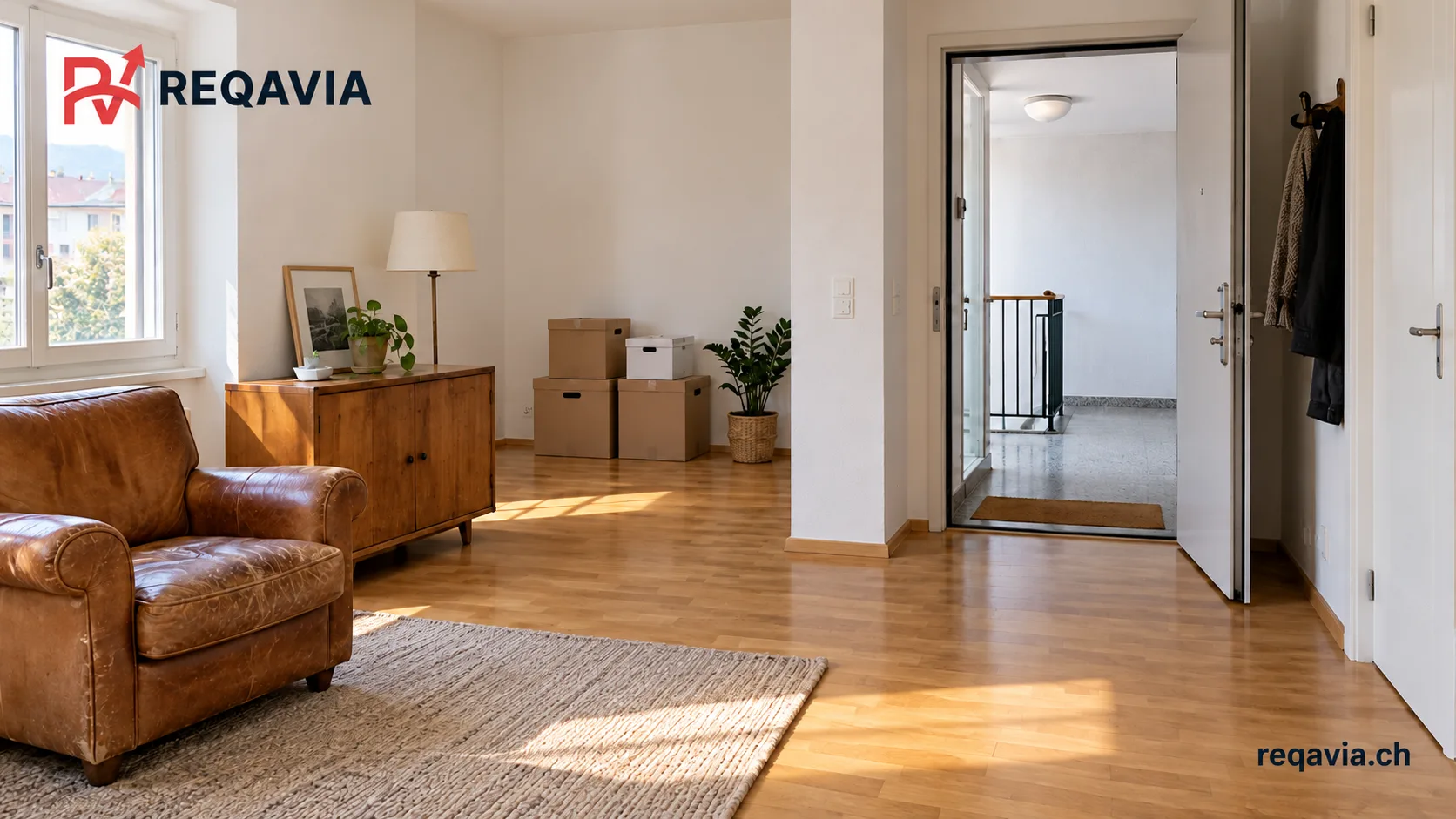
The furniture for disposal is ready, but boxes you intend to keep block the way to the door. The job now includes another task: making the route usable. Walk through it beforehand and tell the company which obstacles need to be considered. Preparing for a clearance does not mean carrying heavy furniture yourself.
Describe the whole route
Start at the largest or most awkward item and follow its route to the planned loading area. Note doors, corners, steps, thresholds and places where space is limited. Measure the clear width and height of narrow openings rather than giving only the approximate room size. Record the furniture’s dimensions in its present condition too.
Describe the floor, lift access and route between the building entrance and the vehicle. You can provide known lift dimensions or information from its existing sign; mark missing information as unknown. Measurements alone do not confirm that an item can be carried safely around a corner. Ask for an assessment visit if a difficult section remains unclear.
Give belongings you are keeping their own place
Identify retained items clearly and plan a suitable place for them within the agreed working area. It should not obstruct the next stage or prevent the home being used. Keep essential everyday belongings accessible and decide who will put temporarily moved furniture back after the clearance.
Do not simply move boxes into the shared stairwell. BFB/CIPI advises keeping stairs, corridors and exits clear and safely usable as escape and rescue routes. Discuss questions specific to your building with its management.
BFB/CIPI: fire prevention in escape routes, in German
Agree help before moving the obstacles
Separate light belongings you can safely relocate from heavy, awkward or unstably stacked items. Suva’s load-handling prevention guidance recommends planned workflows and suitable handling aids. Ask the company to assess the support needed for your particular route.
Suva: prevention when handling loads, in German
A very narrow staircase, loose furniture components or an unstable pile needs advance attention. Do not attempt a solo move to make the job seem simpler. If passage appears to require removing a handrail, door assembly or fixed fitting, arrange a competent assessment and the necessary permission first. An ordinary clearance does not automatically include these alterations.
Agree the order and the response to changes
Discuss which pieces should come out first and which belongings need temporary repositioning. The first item set down should not block access to the rest. Establish which doors must remain usable, who will provide access and how other occupants will pass while work is underway.
Compare offers covering the same tasks: collection only, or also clearing the route, protecting affected surfaces, temporary moves and putting retained items back? Ask how an unexpected access problem will be handled. Agree additional work and its price directly with the company before it proceeds. Known access difficulties should be raised before collection day.
Make the disposal request specific
In your text-based request through REQAVIA, describe the furniture for removal, approximate dimensions, floor, lift and narrow sections. Explicitly identify any retained belongings the company needs to move temporarily. You can later share pictures showing the sequence of the route directly and privately with the company; describe the situation in words in the request form.
REQAVIA is an intermediary platform. Price, scope and delivery are agreed directly with the company. Request an offer that accounts for the access you have described. At the end, check together that the intended belongings have gone, retained items are in their agreed places, and doors and routes are clear again.