
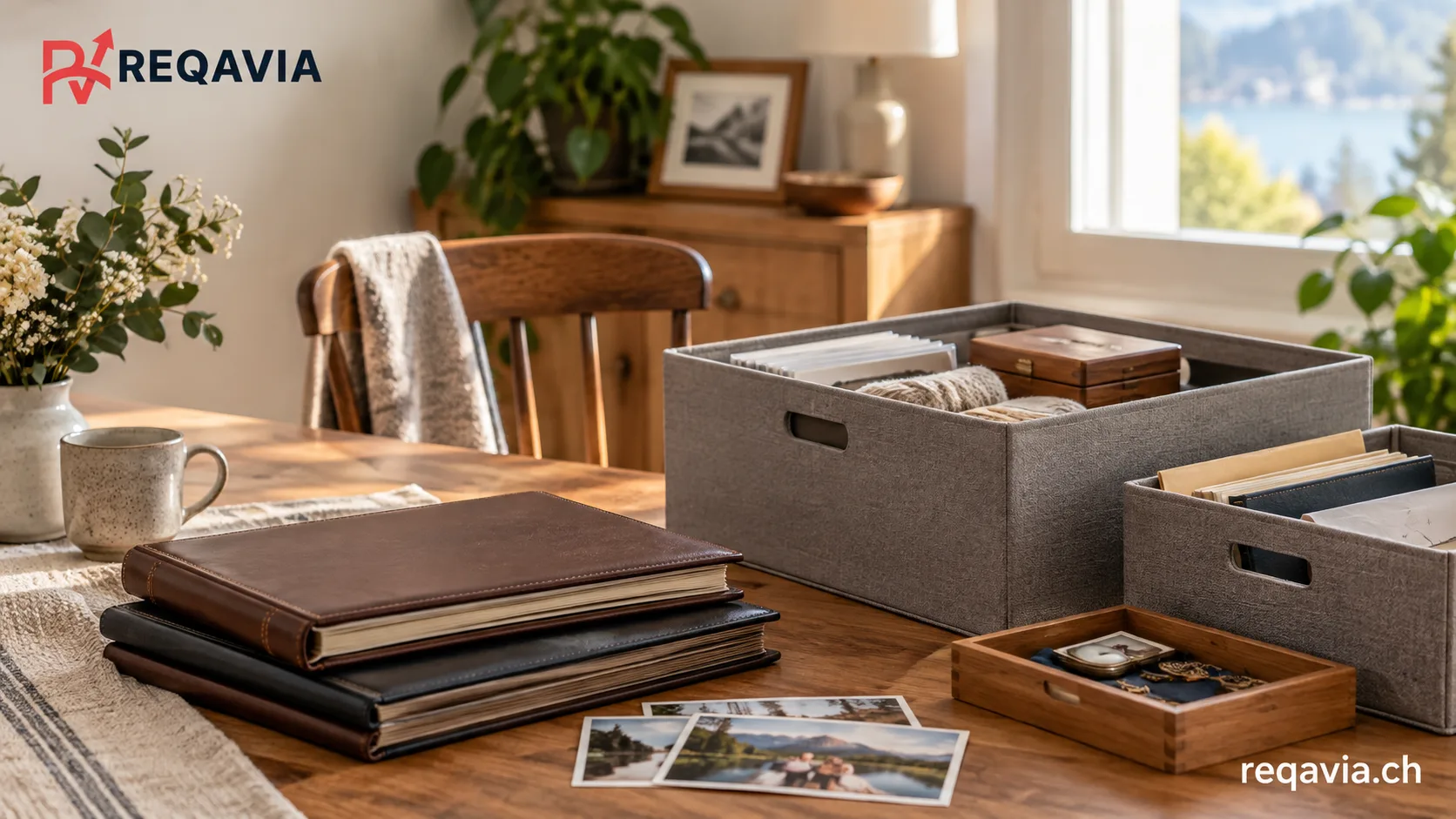
Clearing a loved one's home after their death is not ordinary sorting. Time may be tight, but some decisions cannot be reversed once the boxes leave. Start by establishing who may decide about each item, and agree what can move now and what must remain until ownership or consent is clear. Possessing the key alone is not sufficient permission to dispose of the contents.
The first pass is for protection, not emptying
- Gather documents, keys, photographs, digital media and small valuables in a safe place, away from a mixed clearance load.
- Photograph rooms and shelves before sorting, then number groups. Share images of family belongings with those concerned rather than demanding an immediate visit from everyone.
- Create an «undecided» category with an agreed review date. Avoid putting the whole home into it, which postpones work and increases costs.
- Clearly mark what must remain, then review the outgoing list with the authorised person before the team arrives.
Use storage to solve a defined need
Short-term storage may give you time to decide calmly about important belongings. It does not resolve ownership disputes and should not become a transfer of the entire home without an inventory. Record who manages access and costs and what will be reviewed at each date. If there is a dispute or legal process, seek appropriate guidance before disposing of anything. The company should not have to interpret a family disagreement at the vehicle door.
Usable items nobody wishes to keep may find another owner. Check a donation recipient's acceptance conditions and collection capacity rather than promising the family that all furniture will be accepted. Keeping a small meaningful object or digital copies of photographs may suit the family better than storing a whole room, if everyone chooses that without pressure.
How to brief the clearance team
Specify that work follows a defined list and anything not listed stays until reviewed. State who will attend, who decides if unexpected belongings appear and whether the service includes sorting or carrying only.
A REQAVIA request can describe the space, floors and boxes without exposing sensitive family details. A written agreement made directly with the company turns the job into clear steps and preserves the time and calm the family needs for decisions that matter.