
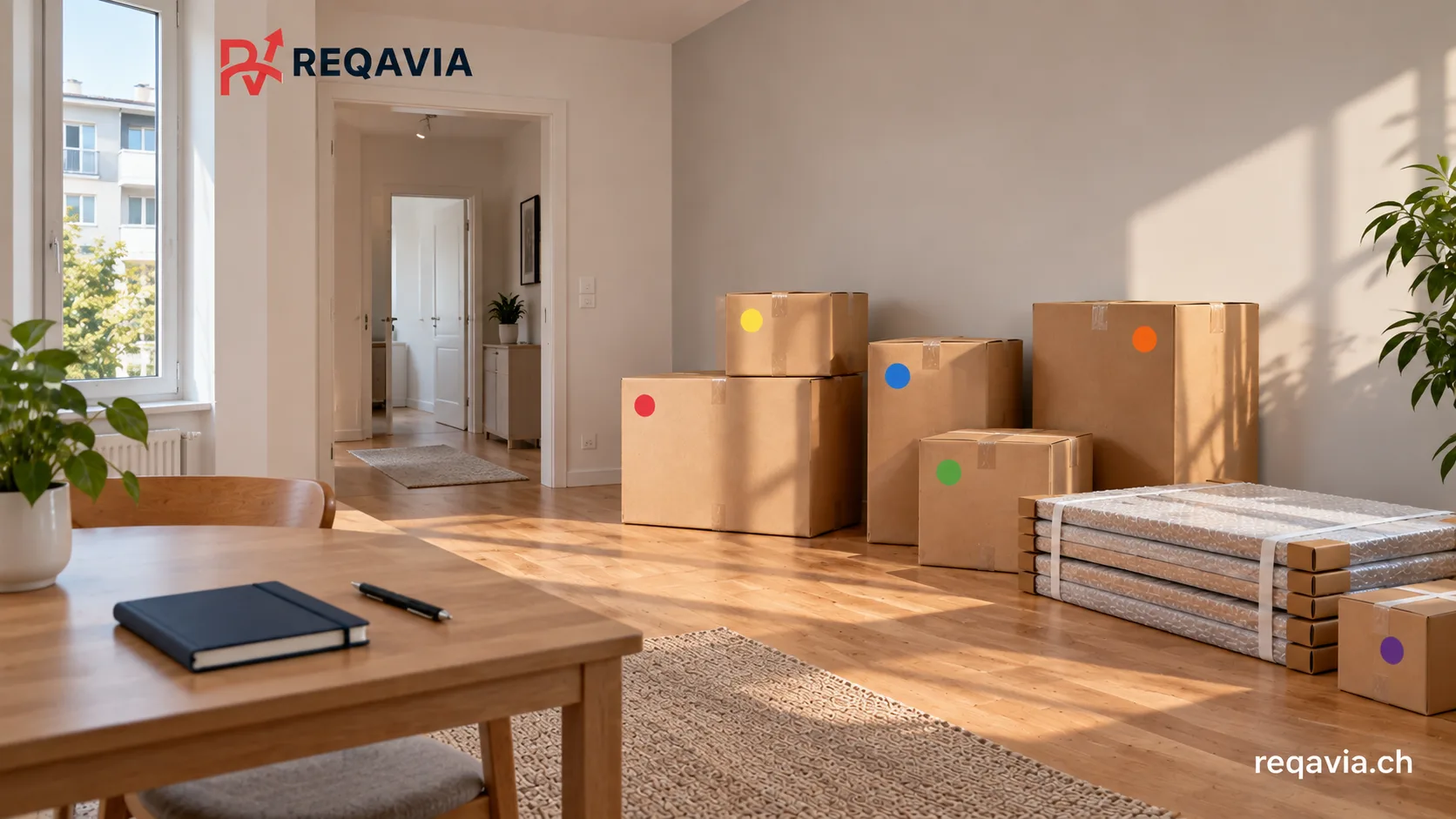
Rooms full of boxes do not establish that the whole load has arrived. Before unpacking or moving packages between rooms, match identifiable units against the loading list. This gives you a focused way to find exceptions while the delivery is still easy to trace. It does not require opening every box, and it is different from checking every item's condition.
Decide what one unit means before delivery
Use the box numbers or clear descriptions already recorded for the move. Treat dismantled furniture carefully: a single entry saying “wardrobe” may conceal several panels, doors and a fittings package. Ask how the company identifies these parts and links them to the parent item. Keep that relationship on the list rather than inventing a second numbering system halfway through unloading.
Include loose accessories that travel separately, such as a monitor stand or a bag of assembly parts. If they are inside a larger package, record that location. An entry should tell you what you are looking for without revealing private contents. Give similar boxes distinct identifiers, and separate the list for each delivery address.
Use one current record
Agree who will collect the results and who can answer questions for the moving team. If several people check different rooms, nominate one person to combine their findings. Use a dated version of the list and carry forward any loading changes. Otherwise a package deliberately left behind can appear missing at the destination.
Mark a unit after identifying it in a known location, not simply because a similar object passed through the doorway. Note its room or temporary position. Ask household members to leave packages in those positions until the short reconciliation is finished, while keeping the team's working route clear.
Make exceptions visible
Give each entry a useful status: present at this address, allocated elsewhere by agreement, not yet located, or identification still uncertain. A package placed in a room is not fully matched if its number cannot be read. Record uncertainty rather than choosing “complete” to close the list.
At the end of unloading, go through unmatched entries with the team leader. Check other rooms, packages that may contain smaller units and documented changes to the load. Ask the team to check any remaining items in the vehicle; do not interrupt handling to inspect the vehicle yourself. Record the explanation and next action for each unresolved entry.
Separate quantity, visible condition and contents
A box can be counted as delivered while its contents remain unchecked. Likewise, noting a mark on packaging does not identify who caused it. Keep separate notes for the unit's presence, anything visibly observed and inspection still to come. Use specific descriptions rather than a general statement that everything is fine.
Read any delivery document before approving it. What exactly does it ask you to confirm? Explain what you checked and what remains uncertain, and ask for wording that reflects the actual review. If the meaning or consequences of a statement are disputed or unclear, request an explanation or qualified advice on that text. Do not rely on assumptions about a form's title.
Follow up with a traceable question
Keep a copy of the list and any agreed exceptions. If a possible shortage appears later, identify the unit, its description, last confirmed location and what you have already checked. Review known accessory containers before declaring a component missing. Send the company a specific question and retain the response; reconstructing the whole move from memory is less useful.
Share only the photos or document extracts needed for the issue, directly and privately with the company. Keep identifying labels connected to the inventory while you unpack so that a later query remains understandable.
Prepare the request from the same list
In your REQAVIA moving request, describe the approximate load, separately transported parts, delivery addresses and any need to coordinate a delivery check. The form takes a text description. REQAVIA is an intermediary; agree the price, moving work and delivery arrangements directly with the company. Use the same updated inventory during the move to keep the request and actual load aligned.